
The big picture

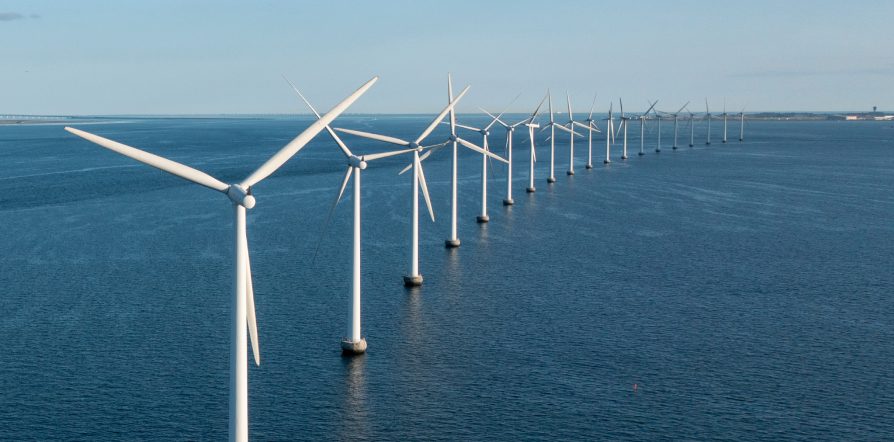
The world needs to reduce emissions. The strategy today is largely through electrification, using renewable electricity from solar PV, wind turbines, nuclear and hydro.

One of the large sectors emitting CO2 is the industry, using large amounts of heat for various purposes within different sectors.

Renewable electricity is today cheaper than fossil energy in most places in the world, when it is available. However, industry cannot be limited to produce when the wind blows or the sun shines, either requiring storage or non-intermittent supply.

Long electrical interconnectors are expensive and politically and environmentally problematic.

Chemical batteries are expensive, have limited durability and requires special materials.

For heat consumers, local thermal storage is the best solution for storing grid or local intermittent energy.

Heat storage: Low-tech. High-yield

In a world of fossil fuels, storage has limited value. If you can choose when you burn your fuels, you can get the required energy at any time.

Going to a world of renewables, this is not the case, as you are dependent on intermittent energy sources, such as the sun and wind.

Thermal storage solutions above 100 °C has traditionally been focused on how to generate electricity for the grid. To convert as much energy from heat to electricity, a higher temperature gives a more efficient conversion. However, higher temperatures are challenging to handle, and requires more expensive solutions.

The basic economy of a storage is that it adds cost to your energy. As long as renewable energy was more expensive than fossils, there was no room for this cost. However, over the last decade, the cost of renewables has become cheaper than the cost of fossils, and hence, if the cost is low enough, a system with RE and storage can supply non-intermittent energy at a lower cost than a fossil system.

Latest News

Contact Our Expert